Why Delaying Periodontal Treatment Can Be a Costly Mistake
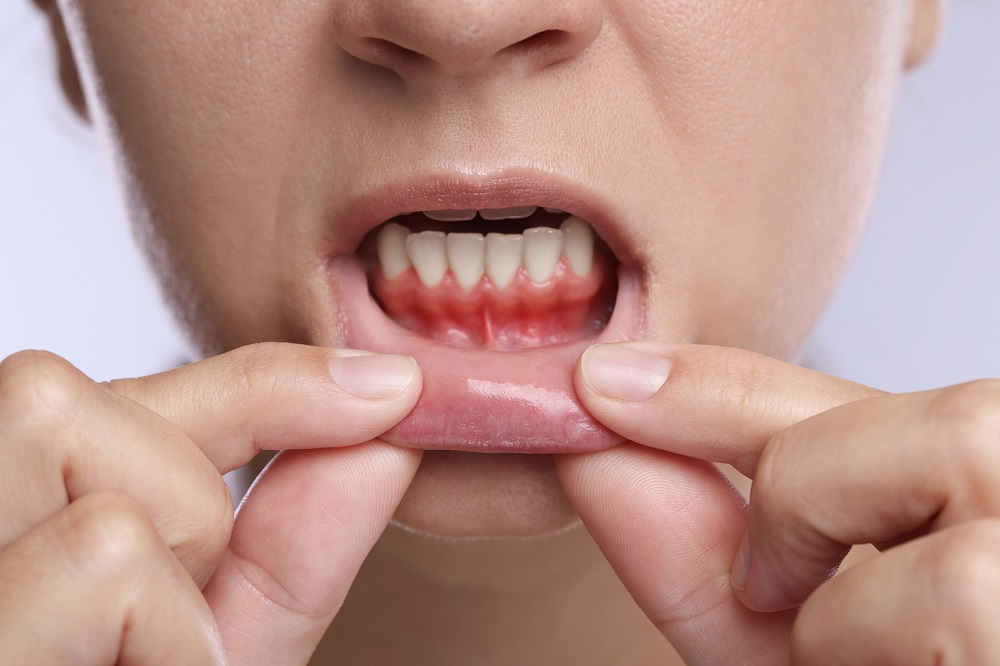
Most people do not ignore gum disease because they are reckless. They delay Periodontal Treatment for ordinary reasons. Work gets busy. The discomfort seems minor. Bleeding during brushing feels annoying rather than urgent. A patient tells themselves they will schedule a visit next month, then the next. By the time they sit in the chair, a problem that might have been managed with relatively conservative care has often become slower, more invasive, and more expensive to treat.
That pattern is so common in dental practice that it is almost predictable. Gum disease rarely announces itself with dramatic pain in the early stages. Cavities can do that. A cracked tooth can do that. Periodontal disease often moves quietly. The tissues change gradually, the bone support begins to diminish, and many patients carry on with normal routines while the foundation of their teeth weakens.
The financial cost matters, but it is only one part of the picture. Delaying treatment can also mean losing time, comfort, chewing efficiency, confidence, and in some cases teeth that could have been saved. Once that support is gone, dentistry shifts from preserving what is there to rebuilding what has been lost. Rebuilding is almost always harder.
Gum disease is a structural problem, not just a hygiene issue
It helps to think of periodontal disease as a problem of support. Teeth do not stay in place because the crowns look white or because brushing feels clean. They stay in place because the surrounding gum tissue, periodontal ligament, and bone remain healthy and stable. When infection settles under the gumline, the issue is no longer only plaque on the surface. It becomes an inflammatory process that can detach gums from teeth and reduce the bone that anchors them.
This is why delayed action becomes expensive. Surface problems are usually cheaper to manage than structural ones. If inflammation is limited to gingivitis, the condition may improve with professional cleaning and better home care. Once the disease progresses into periodontitis, treatment becomes more involved because the goal shifts. Now the clinician is trying to control infection deeper below the gums, reduce pocketing, and stop further breakdown https://edgaryhix688.meridiannest.com/posts/beginner-s-guide-to-periodontal-treatment-for-bleeding-gums of the attachment and bone.
Patients are often surprised to learn that their teeth can feel fine while measurable damage is already occurring. A person may chew normally, speak normally, and smile normally, yet still have pockets around the teeth that trap bacteria. By the time mobility develops or obvious recession appears, the disease has usually been active for quite a while.
The early signs people brush off
The first signals are easy to minimize because they overlap with what many people consider normal. Healthy gums, however, do not routinely bleed, swell, or look shiny and puffy. If they do, something is wrong.
Here are some of the signs that deserve attention sooner rather than later:
- bleeding during brushing or flossing
- persistent bad breath or a sour taste
- gum tenderness, puffiness, or redness
- recession that makes teeth look longer
- teeth that begin to feel slightly loose or different when biting
What makes these symptoms tricky is that they can come and go. A patient may notice bleeding for a week, then see it improve and assume the issue resolved on its own. In reality, mild fluctuations are common. Inflammation can quiet down temporarily without the underlying disease disappearing.
I have seen patients come in convinced that a toothpaste change fixed everything because the bleeding eased for a few weeks. Then probing and imaging show bone loss around multiple teeth. The lesson is simple. Symptom improvement is not the same as disease resolution.
Why waiting changes the treatment plan
The cost of delay is not usually a sudden jump from no treatment to disaster overnight. It is a series of small missed chances. Every delay can narrow the range of simpler options.
A patient who presents early may need a periodontal evaluation, a deep cleaning such as scaling and root planing, and more frequent maintenance visits. A patient who waits longer may still need all of that, but now also requires localized antimicrobial therapy, surgical pocket reduction, grafting for recession, extraction of hopeless teeth, or replacement options after tooth loss. Each added step means more appointments, more healing time, and more expense.
This is where the phrase "it was cheaper to wait" falls apart. Delaying care sometimes feels financially rational in the moment because it postpones a bill. Clinically, though, delay often converts a manageable disease into a more complex case. That is not a good bargain.
There is also the issue of predictability. Early Periodontal Treatment tends to offer more stable outcomes because the anatomy has not deteriorated as much. Once bone levels drop significantly or furcation involvement develops around molars, treatment can still help, but long-term maintenance becomes more demanding. The margins for error get smaller.
The hidden economics of untreated periodontal disease
When people think about cost, they usually picture the fee for the next appointment. They do not always calculate the secondary costs of waiting. Those can be substantial.
Time away from work is one. A simple non-surgical visit may be easier to fit into a schedule than surgery, multiple follow-ups, or restorative work after extractions. Diet changes are another. Patients with sore or mobile teeth often stop eating certain foods, which sounds minor until it stretches over months. There is also the cost of repeated short-term fixes. Some people bounce between urgent visits for tenderness, food packing, gum irritation, or bite discomfort without addressing the broader disease pattern.
Then there is replacement dentistry. If periodontal damage leads to tooth loss, the next phase may include bridges, partial dentures, or implants where appropriate. None of those options are trivial in cost or maintenance. Even when a replacement is well done, it does not fully erase what was lost. Saving a natural tooth in a stable, healthy periodontium is generally preferable to losing it and moving into reconstruction.
A common real-world scenario goes like this: a patient delays care because a few hundred dollars for treatment feels hard to justify. Eighteen months later, they face several thousand dollars in periodontal therapy, a crown on a compromised tooth, and one extraction with a temporary replacement. From their perspective, the disease became "suddenly expensive." From a clinical perspective, the process was gradual and unfortunately preventable.
Why pain is a poor guide
People trust pain. If something hurts badly, they act. If it does not, they wait. That instinct works poorly with gum disease.
Periodontal problems often progress with surprisingly little pain because the destruction is driven by chronic inflammation rather than an acute event. Unless an abscess forms or food becomes trapped in a particularly sensitive area, a patient may notice only subtle changes. They may say their gums "feel a little off" or that a tooth "doesn't feel as solid as it used to." Those vague descriptions can correspond to very real disease.
This mismatch between symptoms and severity is one reason routine periodontal charting matters. Measurements around each tooth, along with radiographs when indicated, often reveal what the patient cannot feel. A six millimeter pocket is not always dramatic from the patient’s point of view, but clinically it changes the conversation.
Waiting for pain is a bit like waiting for a roof leak to become a collapsed ceiling before calling someone. The absence of drama does not mean the structure is sound.
Early treatment is usually less invasive than late treatment
Patients sometimes postpone care because they fear treatment itself. They imagine deep cleanings, surgery, injections, and recovery time, and they hope the issue will somehow stay mild. That fear is understandable, but the irony is hard to ignore: delay often increases the chance that more invasive procedures will eventually be recommended.
Early intervention commonly focuses on disrupting bacterial deposits below the gumline, smoothing root surfaces, and creating conditions that let the tissue calm down and reattach as much as possible. It can be uncomfortable, yes, but it is often straightforward and highly worthwhile. When disease is advanced, treatment may need to address anatomy that has already changed. Deep pockets, irregular bone contours, recession defects, and mobile teeth create a more difficult clinical environment.
That is why a periodontal specialist may discuss options that sound far more serious than what might have been needed a year or two earlier. The disease did not become "aggressive" overnight. It simply had time to do what untreated periodontitis does.
What progression can look like in practice
A lot of patients benefit from concrete examples because gum disease can seem abstract until something visible happens.
Imagine one patient in their late thirties with occasional bleeding and mild tartar buildup. They come in, get properly evaluated, complete non-surgical Periodontal Treatment, improve their home care, and return for maintenance. Their gum health stabilizes. Their teeth remain functional and comfortable. The overall cost is meaningful, but contained.
Now imagine another patient with similar early signs who postpones care for three or four years. During that time, they notice a little recession, some tenderness around molars, and food catching more often between certain teeth. When they finally come in, several pockets are much deeper, bone loss shows on radiographs, and one molar has furcation involvement. Non-surgical care is still part of the plan, but it is no longer the whole plan. They may now need surgical access for cleaning root surfaces, a guard if grinding is worsening mobility, and restorative changes if bite trauma is contributing to the problem. The long-term maintenance schedule also becomes more rigorous.
Those two stories diverged not because one patient was unlucky and the other was not. They diverged because timing matters.
The connection to overall health deserves respect
Dentists should be careful not to overstate medical claims, but it is well accepted that periodontal inflammation does not exist in isolation. The mouth is part of the body. Chronic gum infection can complicate health management, especially in patients with conditions such as diabetes, and diabetes can in turn make periodontal disease harder to control. Smokers often heal less predictably and may show fewer obvious signs of inflammation even while disease progresses. Pregnancy, medications that affect dry mouth or gum enlargement, and immune-related factors can also change the picture.
This does not mean every case of periodontitis leads to broad systemic harm in a dramatic way. It does mean delaying treatment in medically complex patients is rarely wise. A person with poorly controlled diabetes and active gum disease is often trying to manage two interacting problems at once. Stabilizing the periodontal side can make daily life and medical care easier.
Cost today versus cost later
One of the most helpful conversations in practice is not about the cheapest option. It is about the least expensive path to a stable result over time. Those are not always the same thing.
A patient may ask whether they can "just do a regular cleaning for now" even when a deeper periodontal problem is present. The issue is that a standard cleaning and Periodontal Treatment are not interchangeable services. A regular cleaning addresses deposits above the gumline and mild conditions. Periodontal therapy is designed for disease below the gumline where destructive bacteria and calculus are contributing to attachment loss. Choosing the wrong level of care to save money usually means paying for inadequate treatment first, then paying for the correct treatment later.
There are times when finances are genuinely tight, and clinicians know that. Good offices will often help patients prioritize urgent areas, phase treatment intelligently, and explain what should not be postponed. The answer is not always all or nothing. But there is a big difference between strategic phasing and passive delay. Phasing is a plan. Delay is avoidance.
Some teeth become harder to save than patients realize
People often assume that if a tooth is still present, it is still very saveable. Sometimes that is true. Sometimes it is not.
Once periodontal support drops past a certain point, the challenge is not only infection control. The tooth may also have unfavorable root anatomy, mobility, bite stress, or a crack. Molars can be especially complicated because their roots divide, creating areas where bone loss and plaque retention become difficult to manage. A front tooth with recession may be cosmetically important but structurally compromised. What looks minor in the mirror can be quite involved clinically.
When patients hear that extraction is on the table, they sometimes feel the recommendation came out of nowhere. It usually did not. The disease has often been writing that story for years. Earlier intervention might not have guaranteed a different ending, but it would have improved the odds.
The maintenance phase is where long-term savings happen
There is another mistake people make after completing treatment. They assume the problem is over for good and slip back into irregular recalls. Periodontal disease does not reward that kind of optimism.
After active therapy, maintenance matters because patients with a history of periodontitis remain more vulnerable to recurrence. Bacterial biofilm returns, home care has limits, and deep or previously diseased sites need monitoring. Periodontal maintenance visits are not simply "extra cleanings." They are part of keeping the disease controlled and preventing relapse.
Patients who stay consistent with maintenance often spend less over the long run than those who disappear for two or three years and return with reactivated disease. It is not glamorous advice, but it is practical. In dentistry, stability is usually cheaper than repair.
When a delay may seem reasonable, and what to do instead
Not every short postponement is irresponsible. Life happens. People travel, recover from medical issues, care for family members, or work through insurance changes. The problem is not a brief delay with a clear follow-up plan. The problem is drift.
If treatment cannot start immediately, a few steps can reduce the risk of that drift becoming costly:
- get a clear diagnosis, including how advanced the disease appears
- ask which areas are most urgent and what can safely wait a short time
- schedule the next appointment before leaving, even if it is several weeks out
- follow home care instructions carefully, especially around the gumline
- return for re-evaluation if symptoms worsen, even if full treatment has not begun
That kind of active management is very different from hoping the issue settles down by itself.
Why people regret waiting
Patients rarely regret addressing periodontal disease too early. They do, however, regret assuming bleeding was harmless, assuming mouthwash was enough, or assuming a loose tooth could wait until after the holidays. The regret is usually not just about money. It is about preventable loss.
There is a particular frustration that comes with learning a tooth might have been maintainable six months or a year earlier. Clinicians feel it too. Dentistry is at its best when it preserves natural structure, comfort, and function. Once disease removes support, the profession can still do a great deal, but treatment becomes more about managing damage than avoiding it.
That is the core reason delaying Periodontal Treatment can be costly. Gum disease is not merely a nuisance at the edge of the teeth. It is a progressive condition that can erode the very support system those teeth depend on. Early care tends to be simpler, more conservative, and less expensive. Late care tends to ask more of everyone involved, more time, more money, more appointments, and more compromise.
If the gums are bleeding, receding, or showing other warning signs, it is worth taking them seriously while the choices are still broad. In periodontal care, timing is not a small detail. It is often the factor that determines whether treatment is about preservation or recovery.
Avra Dental
Address: 1708 S Victoria Ave B, Ventura, CA 93003
Phone number: (805) 941-1001
FAQ About Periodontal Treatment
Can a dentist get rid of periodontal disease?
A dentist or gum specialist (periodontist) cannot fully cure or reverse advanced periodontal disease (periodontitis), but they can successfully stop its progression and manage the infection.
Is periodontitis very serious?
Yes, periodontitis is a very serious, advanced form of gum disease that destroys the bone and tissues supporting your teeth.
How is stage 2 periodontal disease treated?
Stage 2 periodontal disease (early to moderate periodontitis) is primarily treated with non-surgical deep cleaning procedures like scaling and root planing to remove bacteria and tartar below the gumline.