Gum Disease Treatment and Oral Hygiene Mistakes to Avoid


Gums rarely become unhealthy overnight. In practice, gum disease usually builds quietly, beginning with bleeding during brushing, a little tenderness near the molars, or breath that never seems fully fresh no matter how often someone reaches for mouthwash. By the time pain appears, the condition is often further along than people expect. That gap between early signs and serious damage is one reason Gum Disease Treatment deserves careful attention, not just from dentists and hygienists, but from anyone trying to keep their teeth for life.
What makes gum disease frustrating is that many people believe they are doing enough. They brush twice a day, they use a whitening toothpaste, they avoid candy most of the time. Yet their gums still swell, pull away from the teeth, or bleed with routine cleaning. The problem is not always neglect. More often, it is a mix of missed areas, poor technique, delayed professional care, and habits that seem harmless but steadily irritate the tissues that support the teeth.
The encouraging part is that gum disease is often manageable, and in its early phase it can be reversible. The key is understanding what treatment actually involves and recognizing the everyday mistakes that keep inflammation alive.
What gum disease really is
Gum disease is not a single event. It is a process driven by bacterial plaque, the sticky film that gathers along the gumline and between the teeth. If plaque is not removed thoroughly, it hardens into tartar, also called calculus. Once tartar forms, a toothbrush cannot remove it. The surface becomes rough, bacteria collect more easily, and the gums respond with inflammation.
The earliest stage is gingivitis. At this point, the gums may look redder than usual, feel puffy, and bleed during brushing or flossing. Many people dismiss that bleeding because it is not dramatic. They assume they brushed too hard or irritated one spot. Sometimes that is true for a day or two, but persistent bleeding is usually a sign of inflammation, not a sign to stop cleaning.
If that inflammation continues, it can progress to periodontitis. This is where the stakes rise. The infection and the body’s inflammatory response begin to affect the structures that hold teeth in place, including bone and connective tissue. Pockets can form around the teeth. Teeth may loosen, shift, or become harder to clean. At that stage, treatment becomes more involved and maintenance matters even more.
One of the most common misunderstandings is believing that gum disease only affects older adults. Age can increase risk because damage accumulates over time, but teenagers and younger adults can develop gingivitis easily, especially with braces, crowded teeth, smoking, dry mouth, or inconsistent home care.
How treatment changes depending on severity
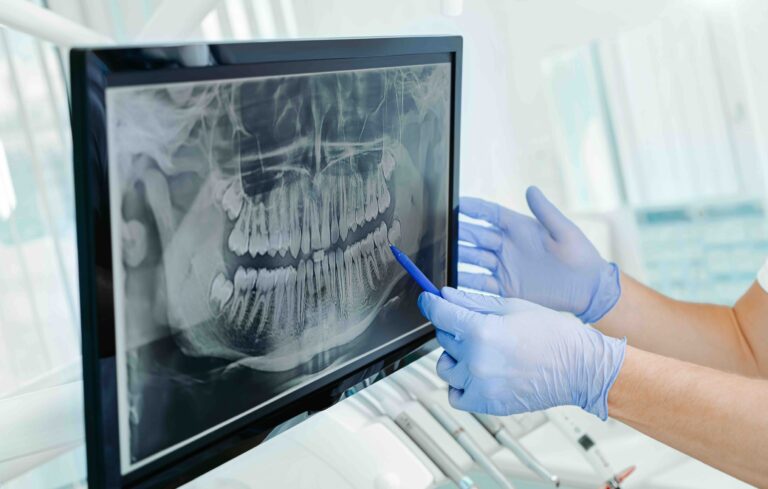
A person with mild gingivitis needs something very different from a person with advanced periodontitis. That is why generic advice can miss the mark. Effective Gum Disease Treatment starts with an accurate diagnosis, usually based on a clinical exam, gum measurements, and dental X-rays when needed.
For early gingivitis, the treatment plan may be straightforward. A professional cleaning removes plaque and tartar above and slightly below the gumline. The dentist or hygienist then reviews home care technique, because early gum inflammation often improves significantly when plaque is removed thoroughly every day. In many cases, gums that have been bleeding for months can calm down within one to three weeks of better daily cleaning, assuming the problem is still at the gingivitis stage.
Periodontitis requires more than a routine cleaning. The standard non-surgical approach is scaling and root planing, often described as deep cleaning. This involves removing deposits from below the gumline and smoothing root surfaces so the gums can heal and bacteria have fewer places to cling. Depending on the extent of disease, this may be done in sections of the mouth, sometimes with local anesthetic for comfort.
After deep cleaning, follow-up matters. Some pockets shrink nicely. Others remain deep enough to trap bacteria despite good effort at home. In those cases, a general dentist may continue treatment or refer to a periodontist, a gum specialist. More advanced cases may need localized antibiotics, surgical pocket reduction, gum grafting, or regenerative procedures designed to help restore lost support in selected areas.
That progression can sound intimidating, but it is often less dramatic in reality than people imagine. The hardest part for many patients is not the treatment day. It is accepting that gum disease is usually a chronic condition that needs ongoing control, not a one-time fix.
The signs people should stop ignoring
Patients often tell the same story after diagnosis. They noticed bleeding for a long time. Their breath seemed off. Their teeth felt a little longer, or there were dark spaces between them that had not been there before. They assumed it was cosmetic, temporary, or due to age. Those details matter.
A few signs deserve prompt attention:
- bleeding during brushing or flossing that happens regularly
- gums that look swollen, shiny, or darker red than usual
- bad breath that returns quickly after cleaning
- gum recession, tooth sensitivity near the roots, or teeth that appear longer
- loose teeth, shifting bite, or pus near the gumline
None of these signs automatically means severe periodontitis, but each one warrants an exam. Waiting rarely improves the situation.
Where home care goes wrong, even with good intentions
Most oral hygiene mistakes are not dramatic. They are small, repeated errors that let plaque sit undisturbed in the same high-risk places every day. Over months and years, those areas become chronic trouble spots.
Take brushing. Plenty of people brush for the right amount of time and still miss the gumline almost entirely. They polish the fronts of the teeth, move quickly over the chewing surfaces, and never angle the bristles where plaque accumulates. The teeth feel smooth, so it seems effective. Meanwhile, inflammation continues at the margins.
Flossing has its own problems. A common mistake is snapping floss straight down between teeth and pulling it out immediately. That may dislodge a little debris, but it does not clean the tooth surface under the contact. The floss needs to curve around one tooth, then the adjacent tooth, and slide gently under the gumline. It is less about force than control.
Another issue is inconsistency. Gum tissues respond to cumulative plaque. Flossing hard once every five days does not make up for missing the other four days. In fact, irregular flossing can make gums bleed more, which then convinces people to avoid flossing, reinforcing the cycle.
Mouthwash is another area of confusion. It can be useful, especially for short-term situations or for people with elevated risk, but it does not replace mechanical plaque removal. A patient can rinse with a minty antiseptic twice a day and still develop significant tartar because plaque was never properly disrupted with brushing and interdental cleaning.
Mistakes that make gums worse over time
Some habits deserve special attention because they show up so often in real dental practice and because people rarely connect them to gum damage.
- brushing aggressively with a hard brush
- skipping cleaning between teeth
- relying on mouthwash instead of technique
- delaying professional cleanings after noticing bleeding
- using tobacco in any form
Aggressive brushing is particularly misunderstood. People often believe that bleeding means they need to scrub harder. What usually happens is the opposite. Overbrushing can wear enamel near the gumline, contribute to recession, and leave the gums sore while still failing to remove plaque effectively. A soft brush and careful angle are usually better than pressure.
Skipping between the teeth is another major problem. Toothbrush bristles do not adequately clean tight contact areas. For some people, floss is the best option. For others, interdental brushes work better, especially where there is recession, spacing, or bridgework. The correct tool is the one a person can use consistently and properly.
Tobacco deserves blunt language. Smoking and smokeless tobacco increase the risk of gum disease, impair healing, and can mask bleeding by reducing blood flow to gum tissues. That means a smoker may have severe disease with fewer visible warning signs. From a treatment standpoint, tobacco can make otherwise sound care less predictable.
Why bleeding gums are not a reason to stop cleaning
This point changes outcomes more than almost any product recommendation. People frequently stop flossing where it bleeds because they assume they are injuring the tissue. Most of the time, they are seeing inflammation, not damage from proper cleaning. Inflamed gums bleed more easily because the tissues are irritated and fragile. With gentle, thorough cleaning, that bleeding often improves rather than worsens.
There is a practical nuance here. If someone has not flossed for months, the first several days of doing it properly can produce some bleeding. That alone is not alarming. What matters is the trend. If technique is good and cleaning is regular, gums often bleed less within a week or two. If bleeding remains heavy, localized, or painful, it is time for professional evaluation.
This distinction matters because avoidance allows plaque to stay in place. The disease process then continues under the false assumption that the person is protecting sensitive gums.
The professional side of Gum Disease Treatment
Good home care is essential, but once tartar has formed below the gumline, professional treatment becomes necessary. Patients are often surprised by how localized disease can be. One side of the mouth may look healthy while a few back teeth have deeper pockets and more bone loss because of crowding, a difficult bridge, a wisdom tooth area, or simple right-hand versus left-hand cleaning habits.
During periodontal treatment, clinicians measure pocket depths around each tooth. Healthy gums usually have shallower measurements, while deeper pockets can indicate attachment loss. These numbers are not just charting for insurance or formality. They help track whether treatment is working over time.
A routine cleaning is intended for mouths without significant active periodontal breakdown. Deep cleaning is a different service because the target is below the gumline, in areas where bacterial deposits are contributing to tissue destruction. Some patients feel wary when they hear this distinction, especially if they think it is merely a more expensive cleaning. In well-diagnosed cases, it is not. The goal, instruments, time requirement, and maintenance needs are different.
After initial therapy, periodontal maintenance visits are often recommended more frequently than standard six-month cleanings. A three- or four-month interval is common for people with a history of periodontitis because bacterial populations can rebound and deeper sites are harder to keep stable. Whether every patient needs that exact timing depends on their risk profile, pocket depths, dexterity, smoking status, and response to care.
https://linktr.ee/dentalgroupofbeverlyhillsThe products that help, and the ones that distract
Patients often hope for a perfect toothpaste or a stronger rinse that will solve the problem with minimal effort. In reality, products can support care, but technique and consistency still do most of the work.
A soft-bristled manual toothbrush can be excellent when used well. Electric toothbrushes often help people who rush, miss areas, or press too hard, especially models with pressure sensors and small oscillating heads. Water flossers can be useful for braces, bridges, implants, and people who struggle with string floss, though they are generally best viewed as an aid rather than an automatic replacement for all interdental cleaning.
Antimicrobial mouthrinses may be recommended in certain cases, especially short term after treatment or when inflammation is difficult to control. Chlorhexidine, for example, can reduce bacteria effectively, but it is not ideal for indefinite use without guidance because of possible staining and taste changes. On the other hand, cosmetic mouthwashes that mainly freshen breath may make the mouth feel cleaner than it really is.
Whitening products deserve a brief caution. Some people become highly focused on brighter teeth while overlooking irritated gums. If a whitening toothpaste is abrasive and someone is already brushing too hard, sensitivity and recession can worsen. A cleaner-looking smile is not the same as a healthier periodontal condition.
The role of general health
Gums do not exist in isolation from the rest of the body. Diabetes, certain medications, dry mouth, hormonal changes, immune conditions, and stress can all affect gum health. Poorly controlled blood sugar, in particular, is strongly associated with more severe periodontal problems and slower healing. The relationship goes both ways, which means periodontal inflammation can also complicate overall health management.
Medication-related dry mouth is another practical issue. When saliva flow drops, plaque can become harder to manage and tissues may feel more irritated. Patients taking antidepressants, antihistamines, some blood pressure medications, or other prescriptions may notice this. In those cases, treatment may need to include dry-mouth strategies in addition to plaque control.
Pregnancy can also make gums more reactive. That does not mean pregnancy causes gum disease on its own, but existing plaque can trigger a stronger inflammatory response. Tender, bleeding gums during pregnancy should not be ignored or dismissed as unavoidable.
A realistic daily routine that protects the gums
A good routine does not need to be elaborate. It needs to be complete and repeatable. The best plans fit the person’s actual habits, not the idealized version of them.
For many adults, a practical approach looks like this:
- Brush twice a day for two full minutes with a soft brush, aiming the bristles at the gumline rather than only the tooth surfaces.
- Clean between the teeth once a day with floss, interdental brushes, or another tool recommended for the spaces you actually have.
- Use any prescribed rinse or specialty product exactly as directed, not casually and not as a substitute for cleaning.
- Schedule professional care at the interval recommended for your gum condition, which may be shorter than every six months.
- If gums keep bleeding after one to two weeks of consistent care, book an exam instead of experimenting endlessly with new products.
This kind of routine sounds simple, and it is. The challenge is precision. Thirty seconds of distracted brushing before bed is not the same as two focused minutes. Flossing the front six teeth is not the same as cleaning the entire mouth. Gum health often improves when people stop chasing more products and start using fewer tools more effectively.
What recovery feels like, and what patients often notice first
When treatment is working, the earliest change is often less bleeding. Breath may improve, the gums may look firmer and less glossy, and that vague tenderness near the gumline begins to settle. After deep cleaning, some people notice temporary sensitivity, especially to cold, because inflamed tissue shrinks as it heals and root surfaces may become more exposed. That can be unsettling if no one warned them, but it is a common short-term effect.
Another surprise is that healthier gums may reveal spaces that plaque and swelling had been hiding. Patients sometimes think treatment created black triangles or new gaps. More accurately, inflammation had puffed the tissue up, and once that swelling resolved, the true contours became visible. This is one reason early treatment matters. Longstanding disease can change gum architecture in ways that are harder to reverse.
People also ask how quickly advanced gum disease can be cured. The more accurate framework is control, not cure. Once bone and attachment are lost, the goal is to stop or slow further destruction, reduce inflammation, and maintain function. Many people keep compromised teeth for years or decades with attentive care. Others need extractions and replacement when support is too far gone. Good judgment means recognizing which teeth are maintainable and which ones are creating ongoing infection or instability.
The cost of waiting
The temptation to postpone gum care is understandable. Gum disease is often not dramatically painful, and dental treatment can feel easy to put off when work, family, and finances are pressing. But delay changes the kind of treatment required. A case that might have responded to a cleaning and improved technique can progress to deep cleaning, specialist visits, surgery, or tooth replacement.
There is also the less visible cost of chronic inflammation. Eating becomes less comfortable. Breath confidence drops. Teeth may shift enough to affect appearance or bite. Restorative work becomes more complicated when the foundation is unstable. A crown or implant placed in a mouth with uncontrolled periodontal disease is not starting from the strongest position.
The practical lesson is simple. If gums bleed regularly, feel swollen, or seem to be receding, that is the moment to act, not a nuisance to watch for another year. The best Gum Disease Treatment is always easier when it begins early, and the most effective oral hygiene is rarely about doing more. It is about doing the right things, thoroughly, before small signs turn into permanent damage.
Dental Group Of Beverly Hills
Address: 8641 Wilshire Blvd #125, Beverly Hills, CA 90211
Phone number: +13109296335
FAQ About Gum Disease Treatment
How to improve gum health quickly?
To improve gum health quickly, eliminate plaque buildup by brushing for two full minutes twice a day at a 45-degree angle to the gumline. Floss daily to clean under the gumline, and rinse with an antimicrobial, alcohol-free mouthwash. For immediate relief of soreness, use a warm saltwater rinse.
What is the fastest way to cure gum disease?
To quickly cure early-stage gum disease (gingivitis), eliminate the plaque buildup causing the inflammation. Brush gently but thoroughly for two minutes twice daily, floss daily, and use an antibacterial mouthwash or a warm saltwater rinse. However, if tartar has hardened, professional treatment is necessary.
How do I treat my gum disease at home?
You can treat early gum disease at home by practicing strict daily oral hygiene, rinsing with salt water or antibacterial mouthwash, and quitting smoking. True gum disease (especially advanced forms like periodontitis) cannot be fully cured at home once tartar forms, and you must see a dentist for professional cleanings.